Strokes
forehand, backhand, serve, return, volley, smash, touch, slice, and placement.
A strong tennis drills library is more than a folder of exercises. It helps athletes and coaches move from a training need to the right court work: groundstrokes, serve and return, volleys, footwork, movement patterns, tactical combinations, warm-ups, fitness blocks, and match-like point play.
The best libraries are searchable, grouped by training goal, and easy to turn into a coaching plan. That matters because tennis improvement usually comes from targeted repetition, clear feedback, and smart adjustment, not from doing more random activity on court.
Good drill selection starts with the weakness or performance goal in front of you. If the athlete is missing too many first balls after the serve, you may need a Serve +1 pattern. If depth breaks down under pressure, you may need rally tolerance or target-zone work. If movement recovery is late, you may need footwork, split-step, or transition drills before adding more tactical complexity.
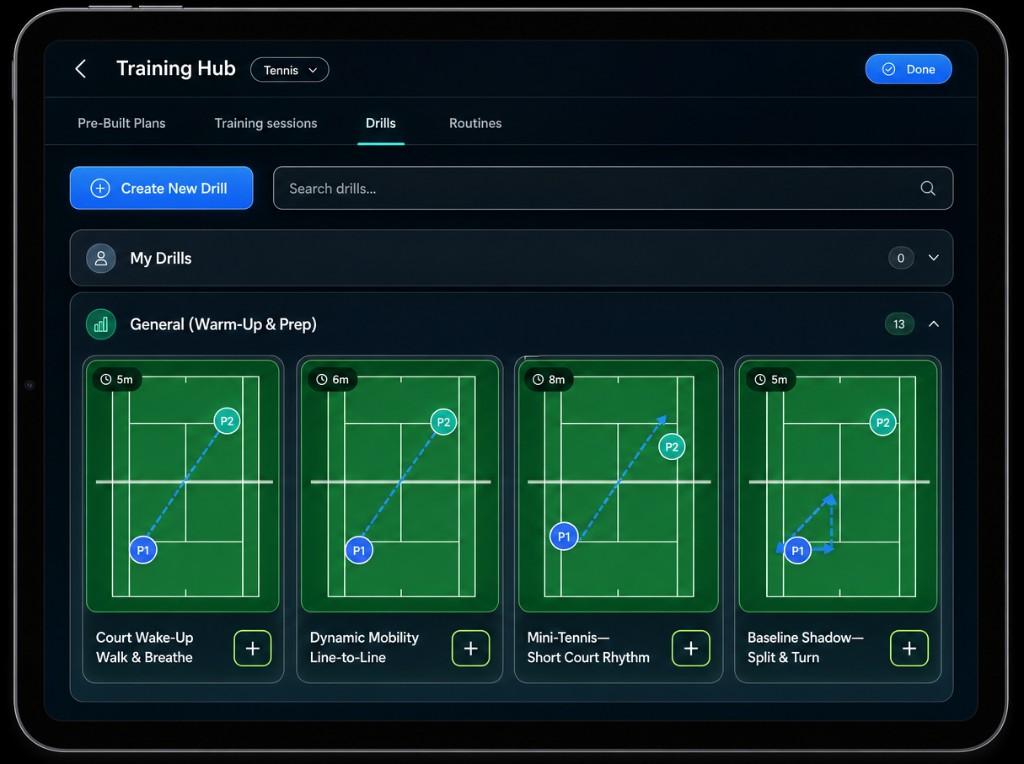
Use a drill library to target specific parts of the game:
forehand, backhand, serve, return, volley, smash, touch, slice, and placement.
split step, recovery steps, lateral movement, transition footwork, approach movement, and court coverage.
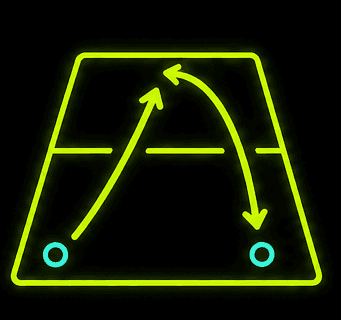
serve + first ball, return + next ball, crosscourt tolerance, inside-out forehand, approach and volley, defense-to-attack.
depth, height, target zones, consistency, decision-making, and match-like scoring.
This makes the library useful for both quick planning and longer development blocks. You can choose one drill for today’s focus or combine several into a session that trains a complete pattern.
When performance indicators show a problem, such as lower shot accuracy, reduced speed, repeated errors, or unstable quality, the library gives you a practical next step. Instead of guessing what to practice, you can select drills designed to sharpen the specific technique, movement, or tactical link that needs attention.
Then turn individual drills into a structured training program:
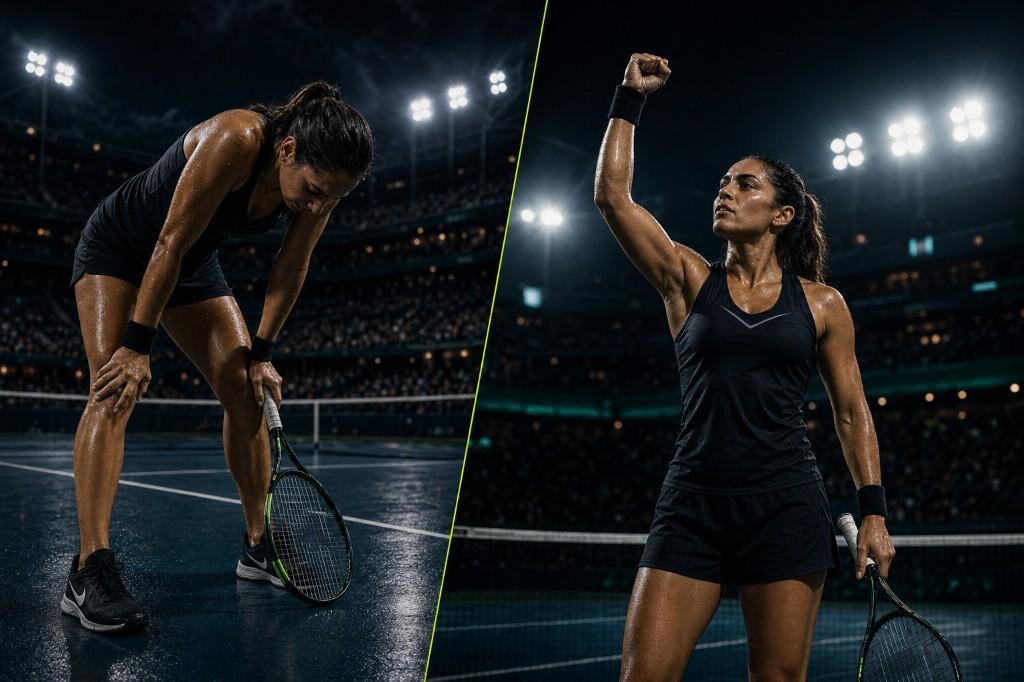
Training should change when the data changes. If accuracy improves but speed drops, the next session may need a different balance. If errors stay high during movement drills, the athlete may need a simpler progression before returning to match speed.
CoachEye supports this adaptive approach by connecting drill-based work with performance review. Coaches and athletes can follow live progress where metrics are available, then review trends across sessions to decide which drills are helping, which need to change, and where the next block should focus.
Ready-made content saves time, but every athlete eventually needs something more specific. With CoachEye, you can create your own drills, save them, reuse them, and build a personal library around your coaching method or development goals.
Custom drills are useful when a coach prepares plans for several athletes, an athlete needs repeatable solo-practice work, or a drill needs its own focus points, target zones, duration, and progression logic.
Bring training plans, video analysis, session history, and performance metrics together in one connected dashboard.
Request early access to CoachEye and start building a clearer path from training to improvement.
Your data is encrypted and always protected.

Advanced computer vision and machine learning built for tennis.
Works with phones, cameras, and smart court setups — anywhere.

Players, coaches, clubs, academies, and federations.

Building the world's largest network of Court Twins.